MObile Transit App

Bus Happy Public Transit Moblie App


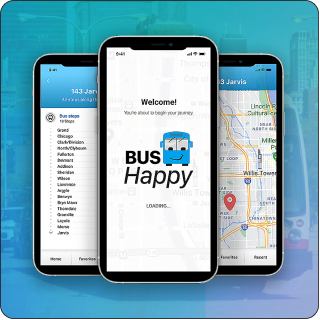
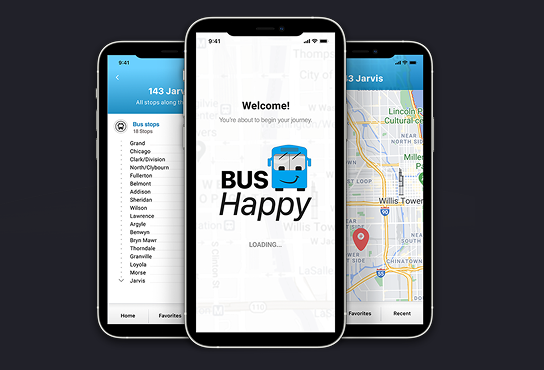
Designing a mobile application for a mid-sized midwestern metropolitan area. The goal was to reduce the stress and anxiety that passengers can feel when they are unsure of when and if a bus will arrive at a stop or station.

Client

Duration

2 months

Industry

Transportation

The Problem

Examining the Problem Statement

Bus riders often struggle to know when buses will arrive at stops across the city. Without reliable real-time updates, riders experience unnecessary stress, uncertainty, and missed connections.

Transit agencies need a clearer way to share live bus location and arrival information to improve rider confidence.

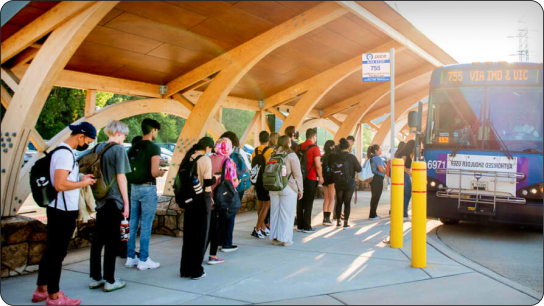
Passengers waiting for the bus on their phones.

Too Many Options

Existing transit apps often present too much information and complicated navigation, making it difficult for riders to quickly find essential details like arrival times or nearby routes.

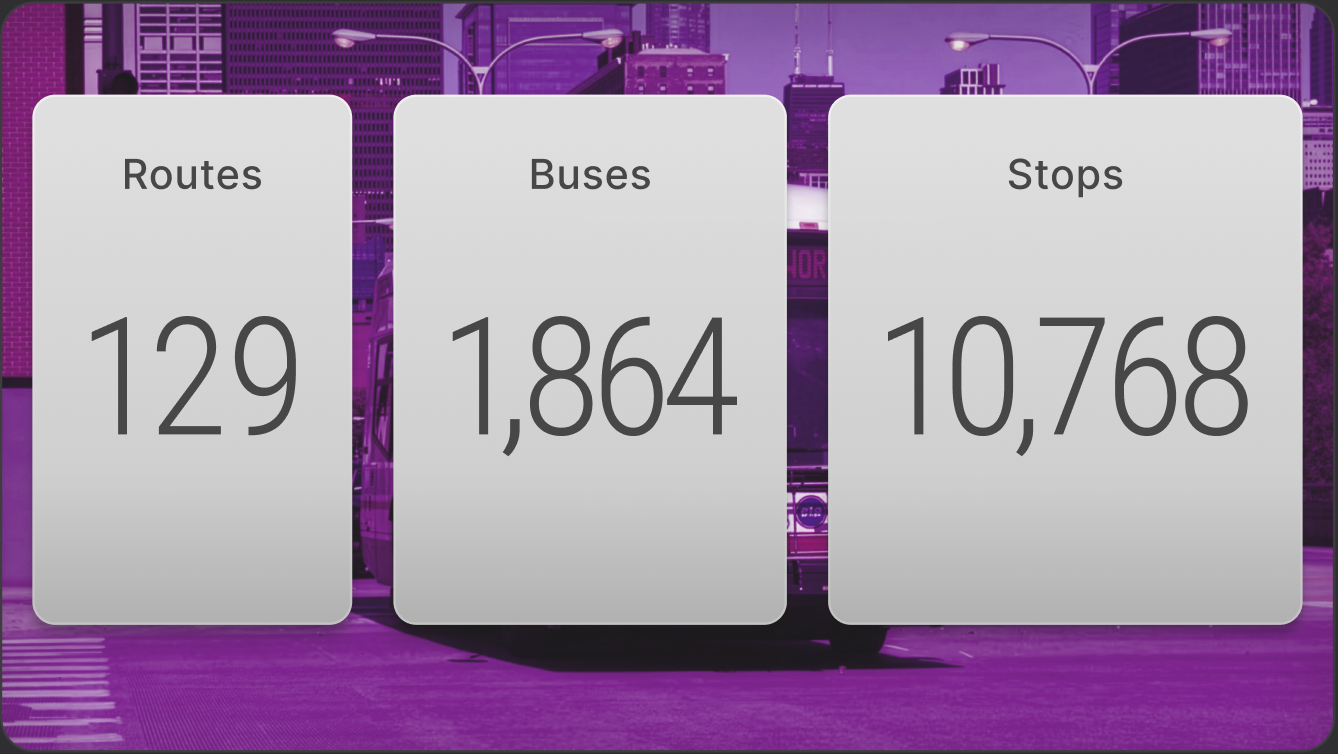
With thousands of daily riders across the CTA network, simplifying access to this information is critical. According to the Chicago Transit Authority (CTA) there are nearly 2000 Buses, 129 Routes, and over 10,000 Stops in the city.

Chicago CTA Statistics for 2017.

The Solution

Bus Happy: A Public Transit App

To address these issues, I designed Bus Happy, a transit app that helps riders navigate bus systems with greater confidence.

The app prioritizes:

  • Real-time arrival information
  • Fast trip planning
  • Simplified navigation
  • A friendly, approachable interface

The goal was to reduce uncertainty and help riders make faster decisions while traveling.

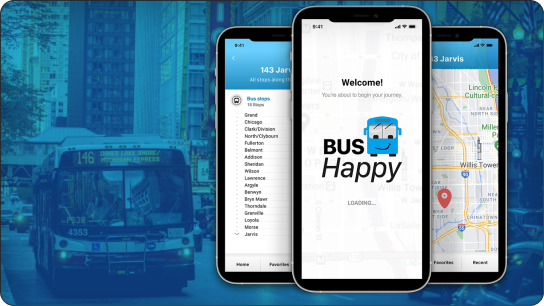
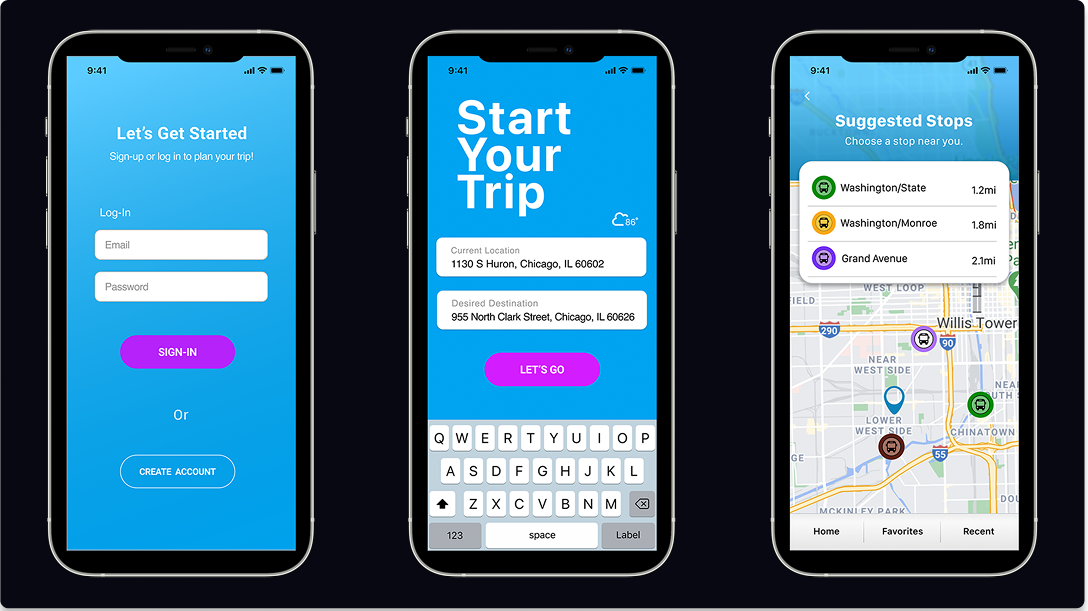
Final Hi-Fidelity designs of the app.

Process

Designing Around the Rider Experience

This project was developed using a rigorous user-centered design process including:

  • Competitive analysis
  • Surveys and interviews
  • Journey mapping
  • Personas
  • Wireframes and prototypes

These methods helped translate rider insights into practical design decisions.

I used a user-centric design focus.

Discover

Competitive Analysis

In the discovery phase a competitive analysis, user survey, interviews and analysis were done in order to create the most user-centric experience possible by getting well balanced data.

The two apps in focus were Transit and Moovit due to their positive reviews and similarity in target audience

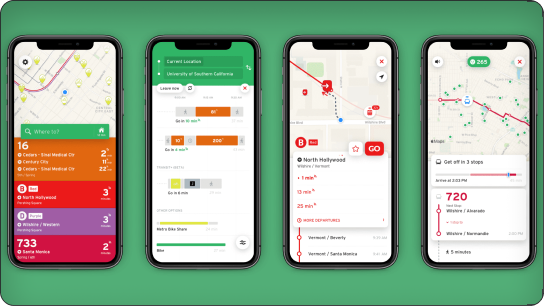
Transit

First, Transit is a mobile app providing real-time public transit data. The app functions in over 175 metropolitan areas around the world. It offers users schedules and alerts for multiple modes of transportation where available, including bus and rail.

The Transit App on mobile device

Strengths

  • Good UI elements and Icons
  • Ability to “Favorite” bus lines
  • Calendar Sync to events
  • Ability to see all bus lines

Weaknesses

  • Challenging to navigate application
  • Too much information for some
  • Confusing navigation features

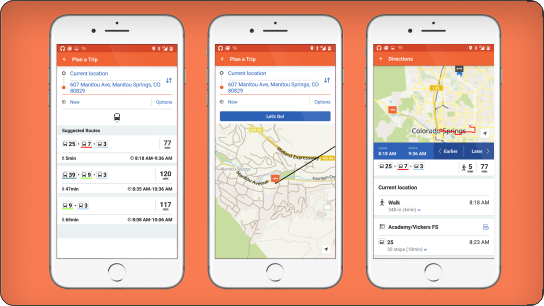
Moovit

Moovit is a public transportation and journey planner app. The company uses both crowdsourced and official public transit data to provide route planning to users as well as transit data APIs to transit companies, cities, and transit agencies. Because Moovit integrates crowdsourced data, it is able to provide transit information for areas where no data is officially available.

The Moovit App on mobile device

Strengths

  • Good UI elements and Icons
  • Ability to “Favorite” bus lines
  • Calendar Sync to events
  • Ability to see all bus lines

Weaknesses

  • Challenging to navigate application
  • Too much information for some
  • Confusing navigation features

Discover

Surveys and Users

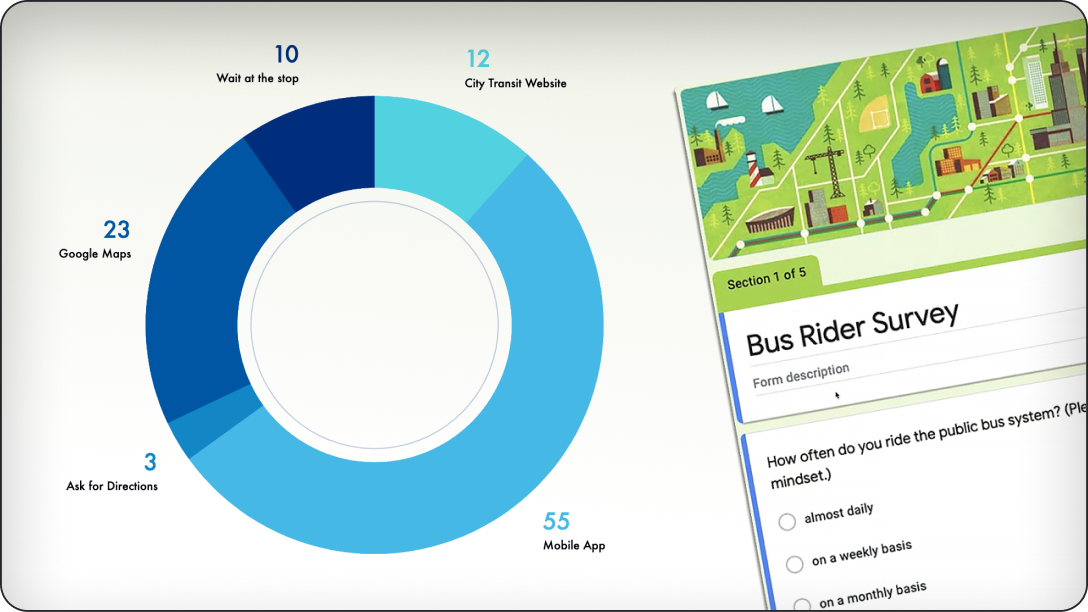
To learn more about our audience, a survey was conducted via Google Forms. This included bus usage, transit app and demographics questions.

Interviews revealed several common concerns:

  • Unexpected delays cause frustration
  • Existing apps feel cluttered or confusing
  • Riders prefer simple map-based navigation
  • Many are unsure if they are taking the correct route

Finding the Right Bus

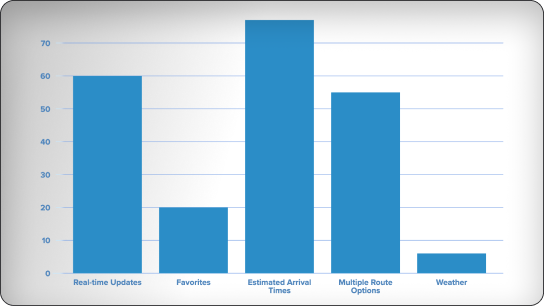
A survey was created and presented to individuals who ride the bus and gather some quantitative data from a sample of potential users. I wanted people who would find this application useful and have it provide a positive impact on their transportation world.

“Finding the Right Bus” survey results

Most Important Features

Estimated arrival times, multiple route options and real-time updates are the most important features according to the people who were surveyed.

The most important features for riders were:

  • Real-time arrival estimates
  • Multiple route options
  • Live service updates

“Most Important Features” according to survey results

DISCOVER

User Interviews

I then conducted a few user interviews with a variety of users in order to further gain some qualitative insights direct and in their own words.

Conducting user interviews of target users.

Key Findings

  • Unexpected delays cause frustration
  • Existing apps feel cluttered or confusing
  • Riders prefer simple map-based navigation
  • Many are unsure if they are taking the correct route

DISCOVER

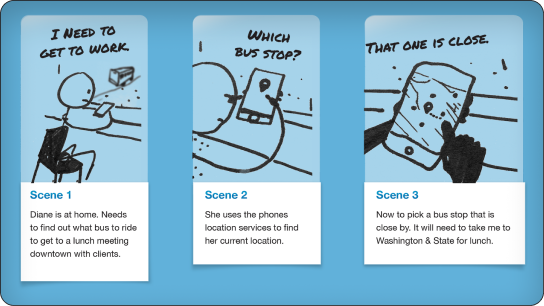
Creating Storyboards for Clarity

Storyboards were created to explore the real-world scenario of commuting by bus. These simple visual narratives helped identify pain points and opportunities across the rider journey. The following is on such example.

Stick-figure style storyboards to gain clarity of the full process.

DISCOVER

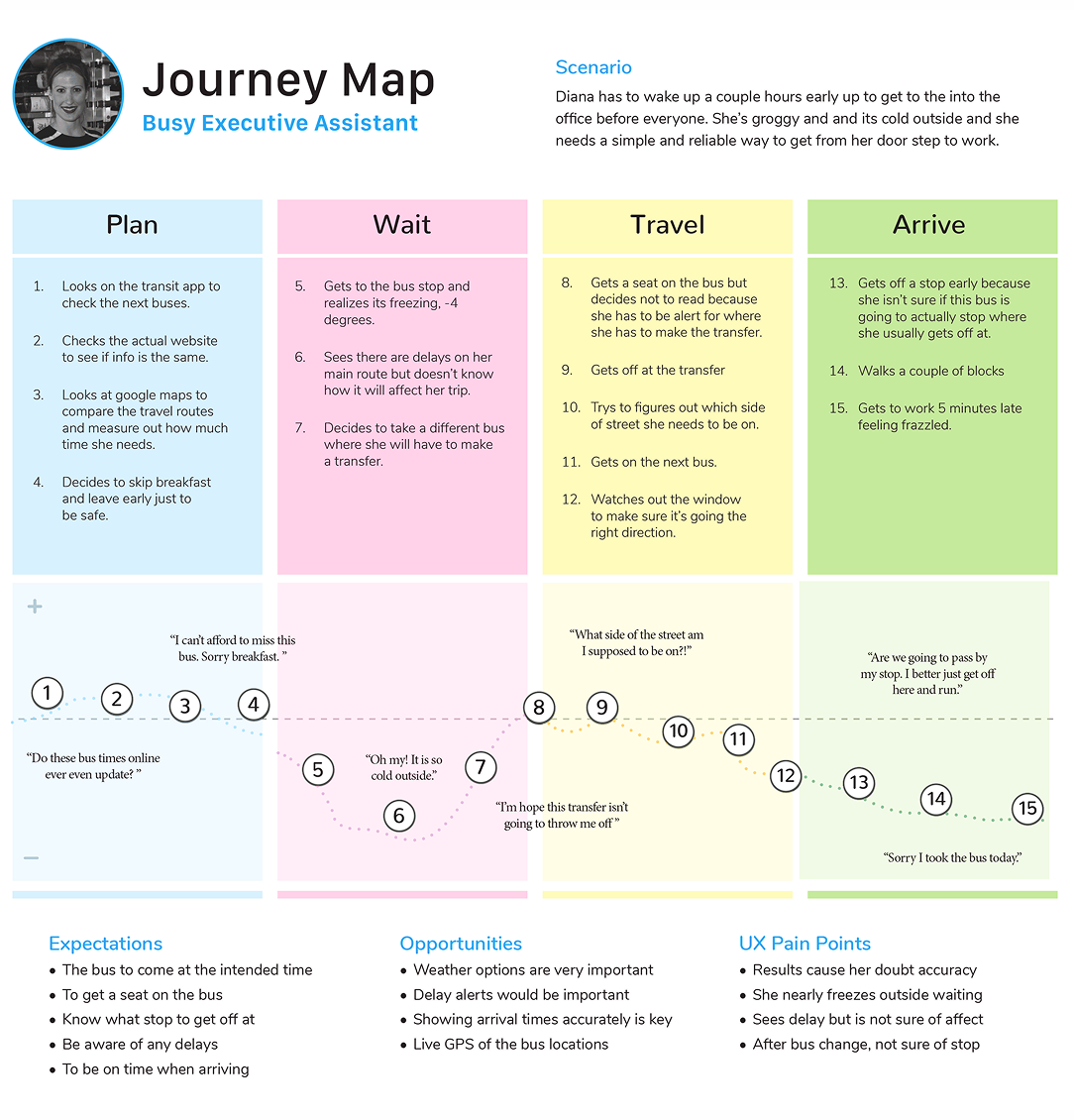
Journey Mapping

A journey map visualized the rider experience from trip planning to arrival, highlighting moments where uncertainty occurs and where better information could help.

Journey Map of the user commuting on an early morning.

Biggest Pain Points

  • Unclear as to the arrival times
  • Even when aware of delays, no options provided
  • Waiting for bus in bad weather
  • Getting to work late

DEFINE

Defining the Product

This stage is in order to gather and document ideas to establish features, functions, and any other elements that will allow riders to solve the problems with the minimum of difficulty.

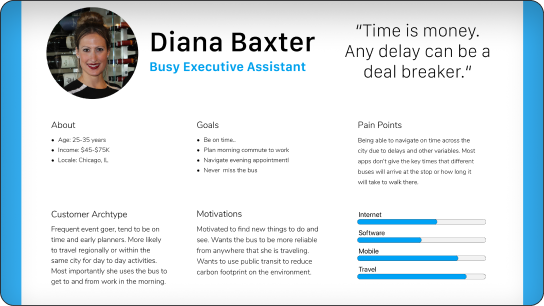
Persona of a target user, a busy executive assistant.

Personas

Personas were created to represent typical riders and guide design decisions.

These helped identify key user goals, frustrations, and daily commuting scenarios.

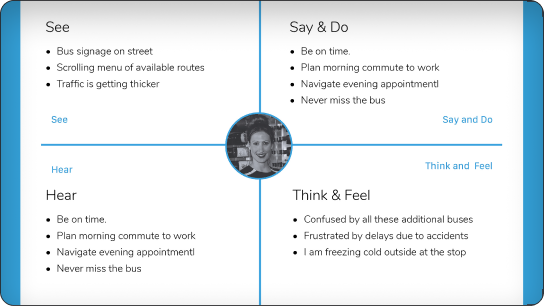
Empathy map of a target user.

Empathy Map

An empathy map reveals what the rider experiences a wide variety of ways during the process of travel.

Define

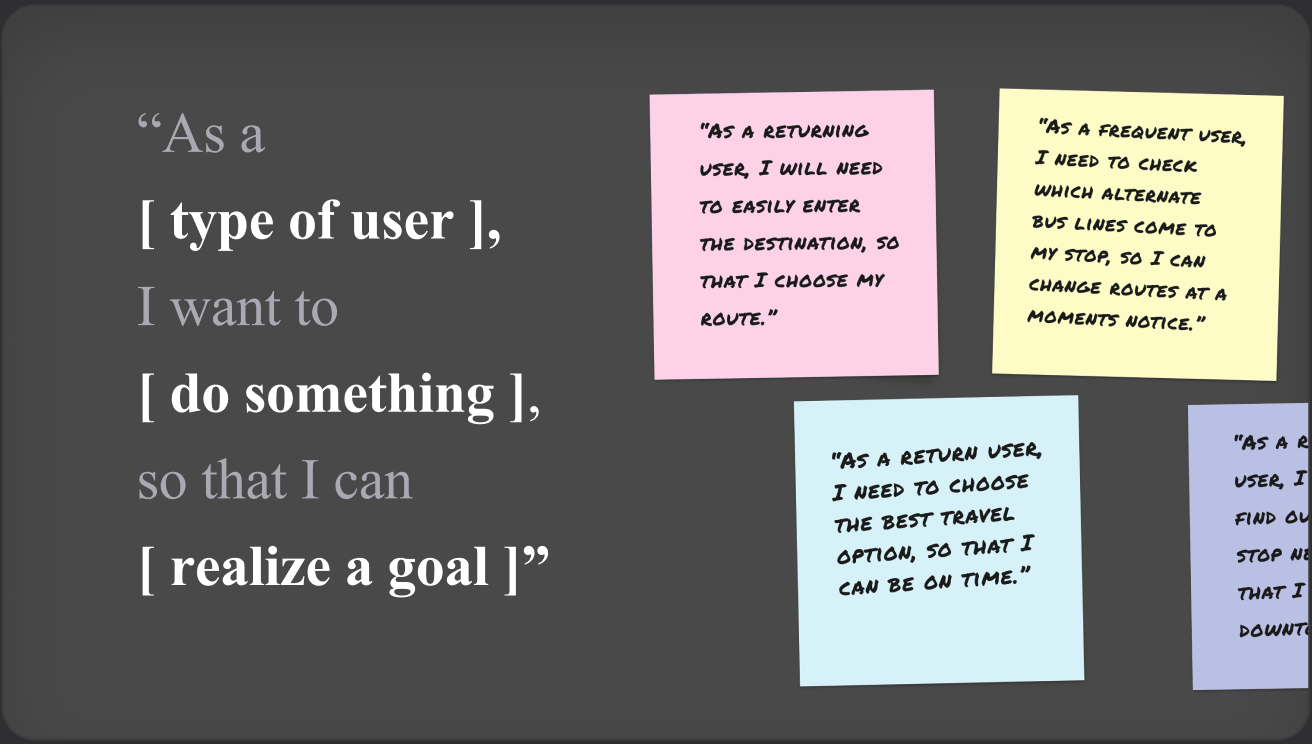
User Story

The user story allows us the ability to narrow our scope towards our most important wants and needs of the user. A typical UX user story, formatted as “As a [type of user], I want to [action], so I can [benefit/goal],” is a, simple, actionable tool used to define software features from a user’s perspective.

User statements helped narrow the scope of focus.

Doing this way allows me to capture the most essential elements of the specific requirements.

Ideate

Where Ideas Expand Before They Converge

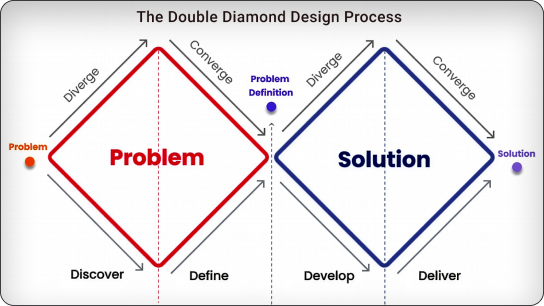
The Double Diamond methodology emphasizes divergent and convergent thinking, encouraging designers to explore a wide range of possibilities before arriving at the best solution. It consists of four main stages: Discover, Define, Develop, and Deliver.

Double Diamond design thinking model

The goal of this phase is to generate a large number of ideas — ideas that potentially inspire newer, better ideas — then refining them into the best, most practical and innovative ones.

Ideate

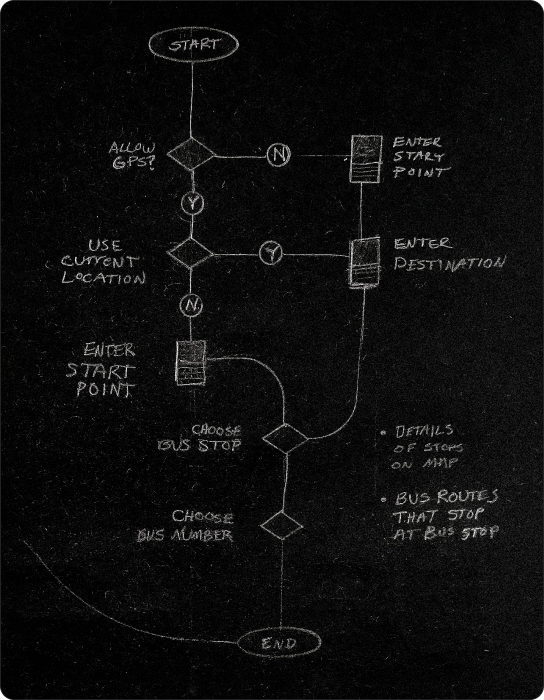
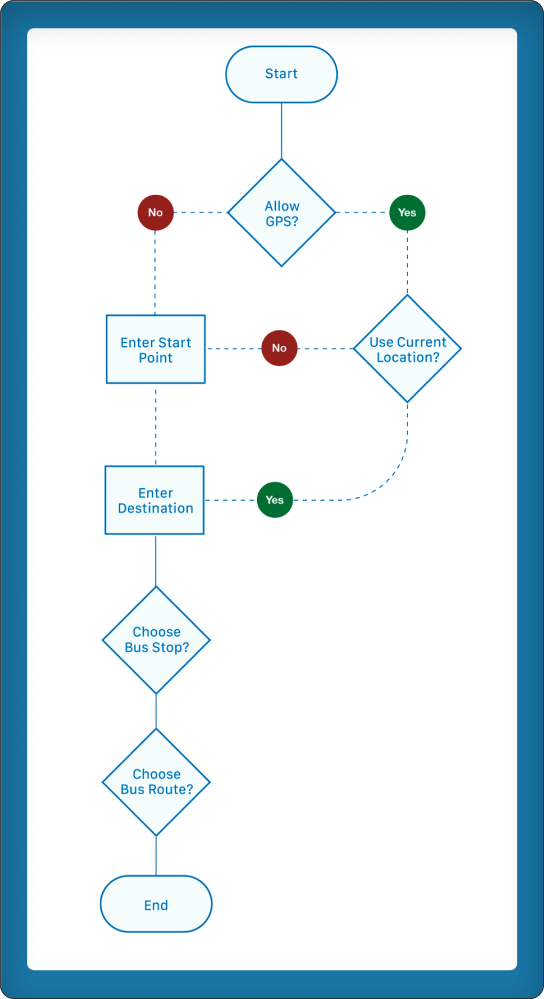
Finding the Priority User Stories: User Flows to Look for Usability Gaps & More

After identifying user needs, priority user stories were selected to guide feature development and interaction design.

User flows were created to map the steps riders take when:

  • Planning a trip
  • Checking bus arrival times
  • Selecting a route

The goal was to keep navigation simple and efficient.

Priority User statements identified

Priority User statements identified

Ideate

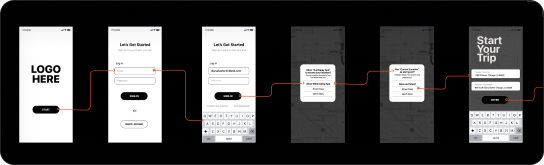
Wireframes

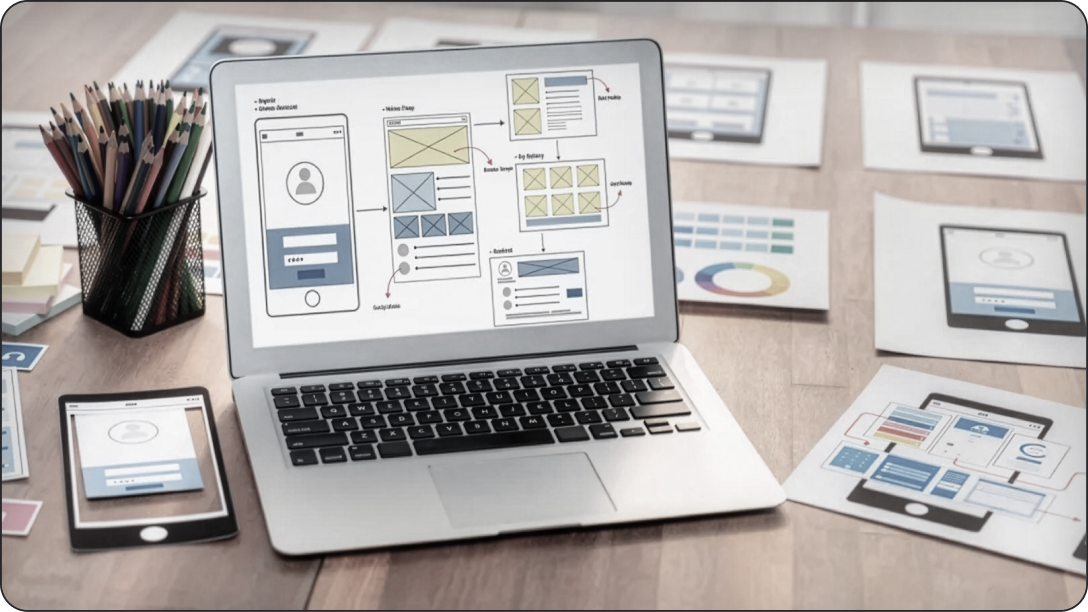
Wireframes were developed to translate the research insights into clear interface layouts.

Text goes here and other.

The goal of these was to maintain a simple, easy-to-use interface that allowed riders to quickly access critical information.

This format is designed to help be descriptive and to drive better discussions about usability and implementation.

Double Diamond design thinking model

Ideate

Creating a Logo & Badge

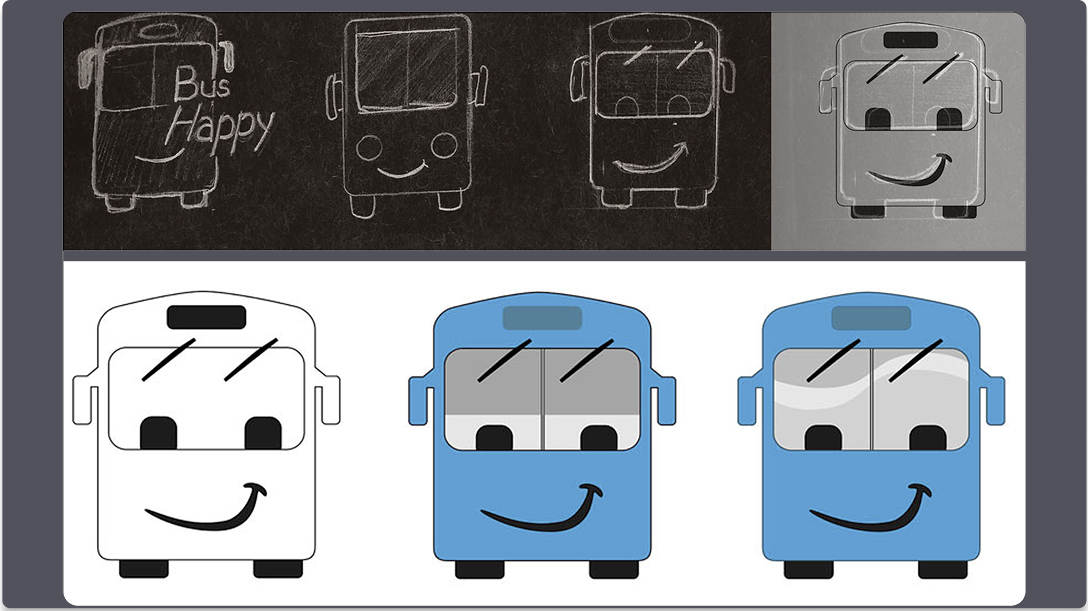
The branding process focused on creating a tone that felt friendly, reassuring, and approachable.

Several logo iterations were explored before selecting the final design.

Iterations of different logo ideas refined the concept.

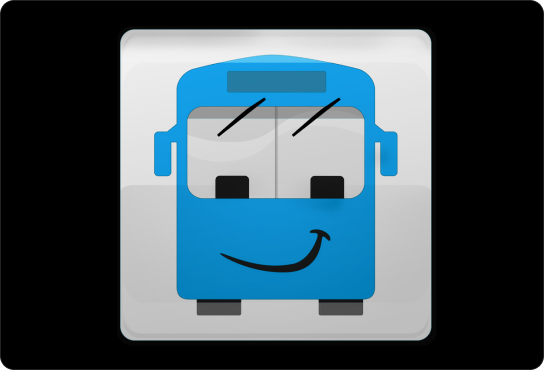
The name Bus Happy reflects the goal of reducing transit anxiety and helping riders feel more confident during their daily commute. I wanted the badge to convey this to the user.

Final logo badge that was selected to represent the app.

Ideate

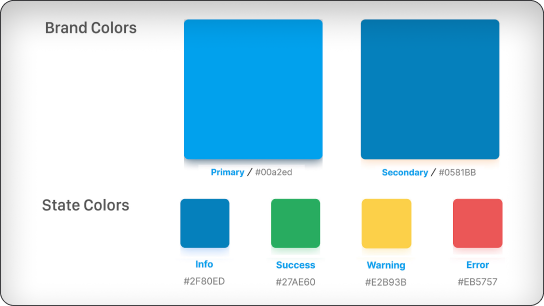
Style Guide for Consistency

The journey into branding for this app began by listening to the users and striving for something that was what targeted just for them.

This included guidelines for:

  • Typography
  • Color palette
  • Iconography
  • Interface components

Double Diamond design thinking model

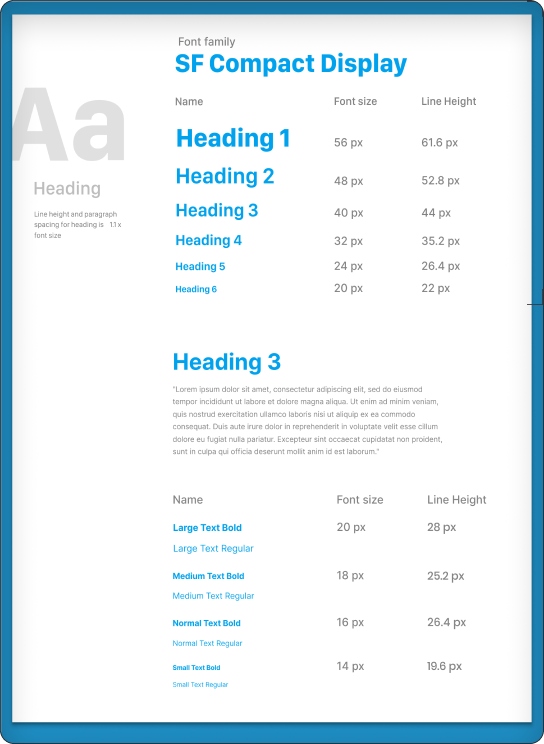
The typography portion of the style-guide i created.

Ideate

Prototyping

High-fidelity prototypes were developed to simulate the full user experience and test key interactions.

These prototypes helped evaluate usability and refine the design before finalizing the interface.

A prototype helped to fine tune more complex interactions.

Ideate

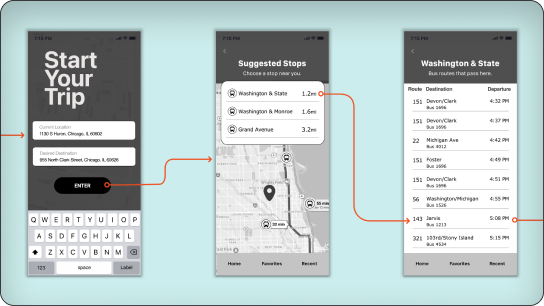
Final Designs

The final Bus Happy interface presents transit information in a clear and approachable way, focusing on:

  • Real-time arrival data
  • Simplified route navigation
  • Clear map-based interactions
  • Friendly visual design

Final logo badge that was selected to represent the app.

Conclusion

Designing for Rider Confidence

Through research, interviews, and iterative design, the project simplified real-time bus information and travel planning for riders. The final concept shows how modest design decisions may boost rider confidence and daily commuting by focusing clarity, quickness, and a friendly interface. This study demonstrated the importance of user-centered research in tool design for time-sensitive decisions.