
Tech Startup
Zitara Predictive Battery Analytics App
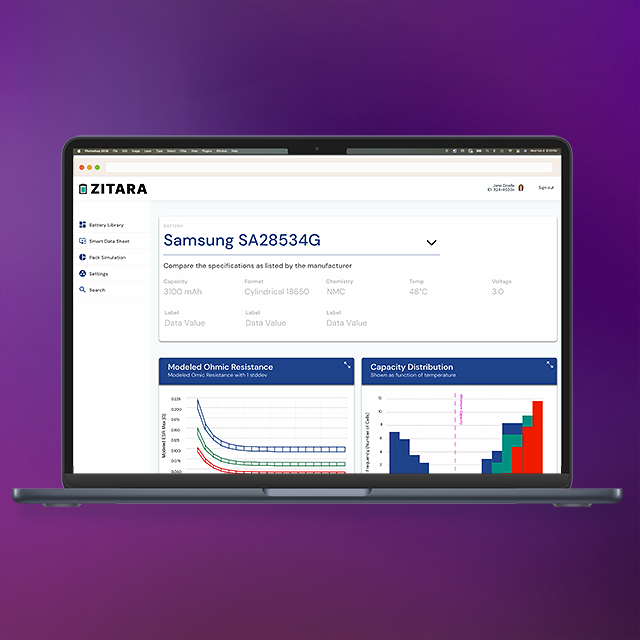
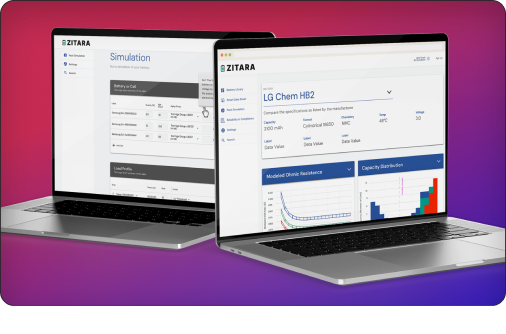
A web-based app for predictive battery analytics, algorithms, and simulations. Carefully validated for your battery cell chemistry and pack architecture.
Tech Startup
A web-based app for predictive battery analytics, algorithms, and simulations. Carefully validated for your battery cell chemistry and pack architecture.
Client Story
Comprising a team of seasoned engineers, battery PhDs, and top researchers with extensive backgrounds at companies like Google, Tesla, Cruise, and Waymo, Zitara is dedicated to championing enhanced battery management for a world that’s rapidly transitioning towards decarbonization.
Market Opportunities
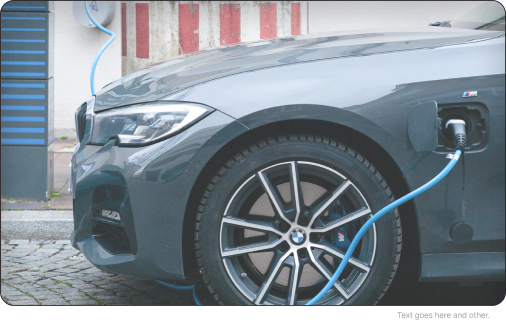
Customers across many booming industries need advanced physics and machine-learning powered battery management software they have engineered.
The Challenge
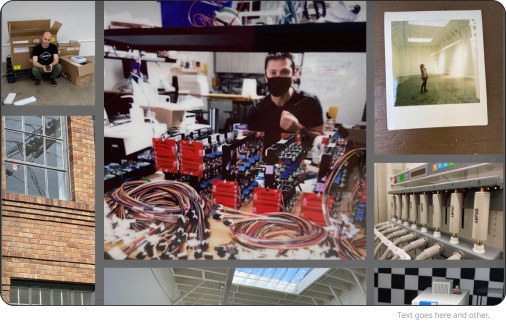
Often safety limits Ignore real-world conditions. Supply chains are stretched thin and often data sheets ignore time and temperature conditions. Static safety limits overlook anomalies that effect cell performancse.
The Solution
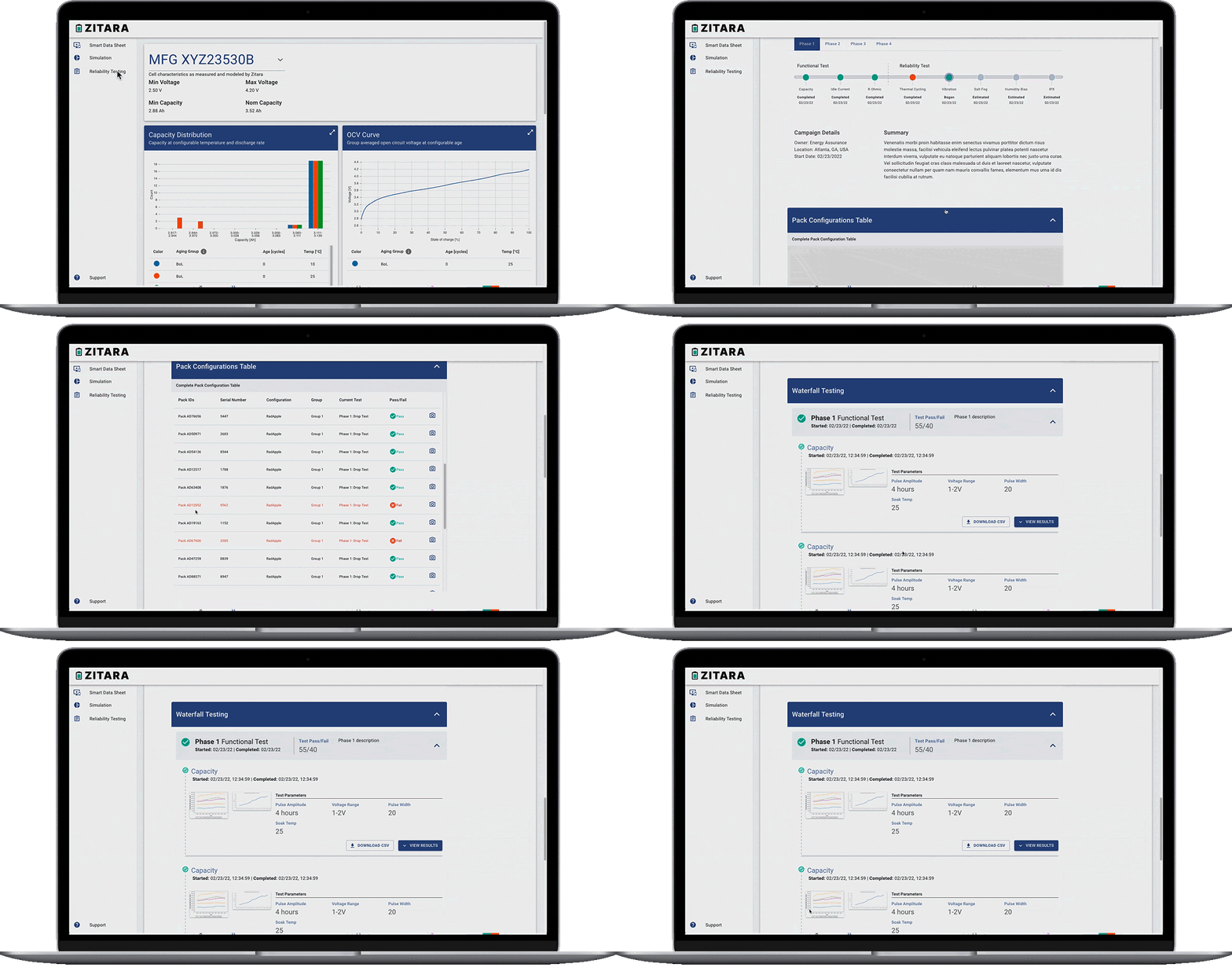
The app was designed to support flexible deployments of our precision battery algorithms using cloud APIs, standalone embedded implementations, or cloud-edge hybrid learning solutions.
Algorithms and simulations are carefully validated for your cell chemistry and pack architecture using dynamic loads drawn from field use cases. Then the results are compiled into an intuitive interface and refined by battery scientists.
Discovery Phase
The discovery phase a competitive analysis, user survey, interviews and analysis were created in order to create the most user-centric experience possible by getting well balanced data.
A competitive analysis of major competitors was conducted to gain insight into their products, sales, and marketing tactics. Implementing stronger business strategies, warding off competitors, and capturing market share are just a few benefits of conducting a competitive market analysis.
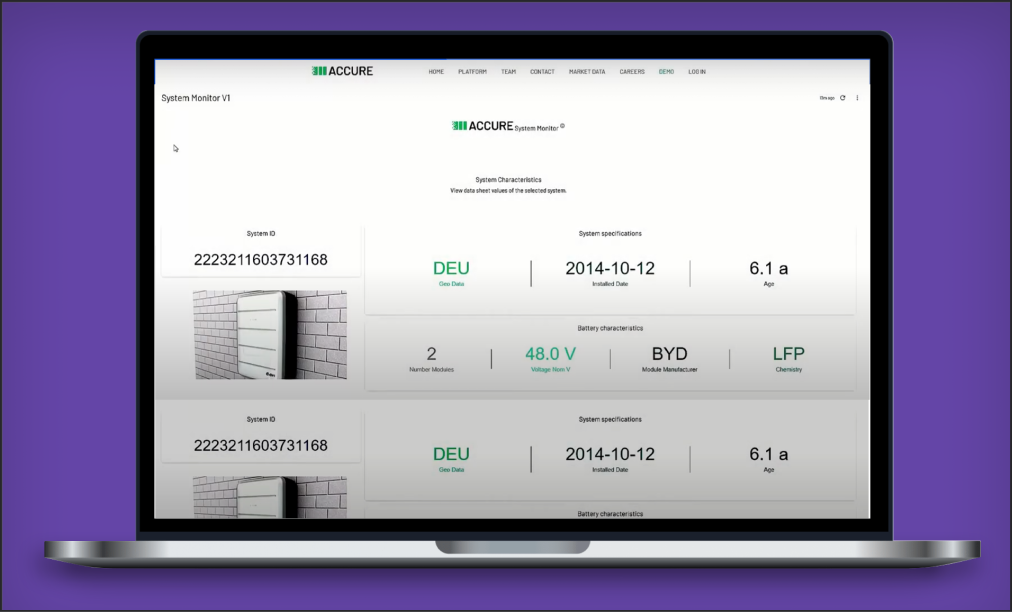
The ACCURE app allows companies in the energy and mobility sectors to predict safety incidents before they occur and optimize battery performance during operation without technical modifications. More than 220,000 battery systems – over 750 megawatt hours – worldwide are managed by the platform.
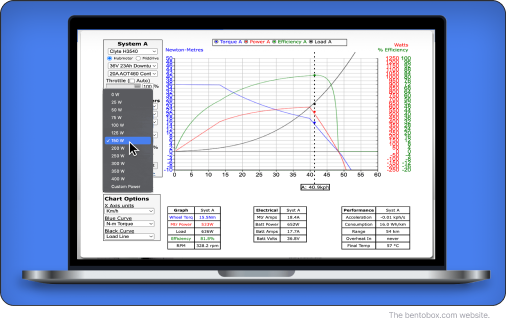
Using the Grin Tech online eBike simulator from the drop-down menu one of our modeled hub motors, the battery pack, wheel size, and motor controller current limit. Then hit “Simulate” and select your bicycle model and weight. The application will then display graphs versus your speed.
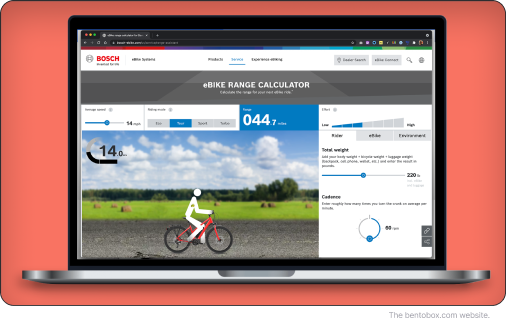
Bosch has a pretty extensive range calculator where you are able to change all sorts of variables, from rider weight, terrain, type of bike, tires, etc. Understandably, this calculator is limited to the Bosch line of products but has some helpful information.
Discovery
To learn more about the audience, a survey was conducted via Google Forms. This included procedures, pain points, priorities and perspectives on current tools available to scientists for analytical cell testing. The surveys were followed up by a user interviews, conducted over video.
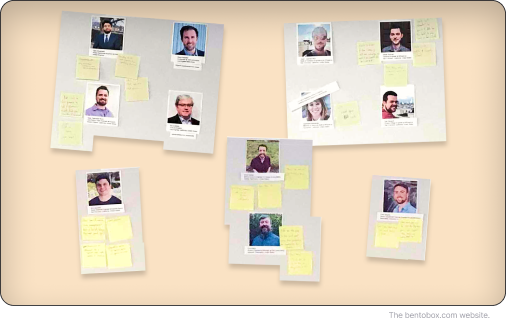
A round of user interviews was performed by a variety of users in order to further gain some qualitative insights directly and in their own words. Below are some of the more prominent findings that were shared during the interviews.
“We usually have to hire a researcher who knows how to code to make it so that we can make them compatible.”
Jennifer, Masters Student
Discovery
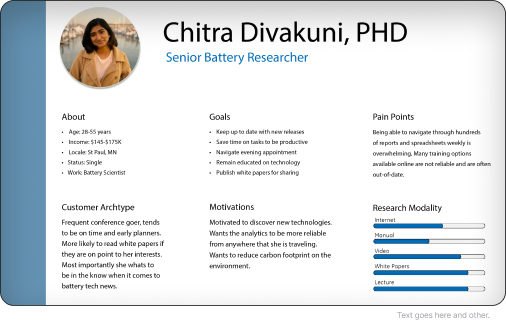
A few personas were created around target consumers to model our user stories into any challenges unique to researching battery cells.
Discovery
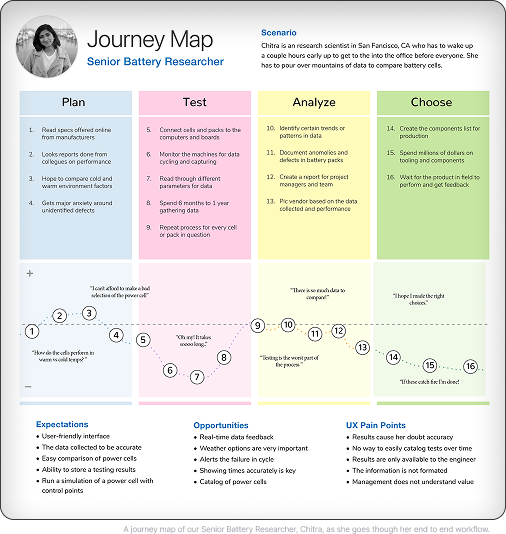
A journey map was developed as a visual representation of the scientists process. Helping to gain a deeper understanding of the experience across all phases of the journey.
Define
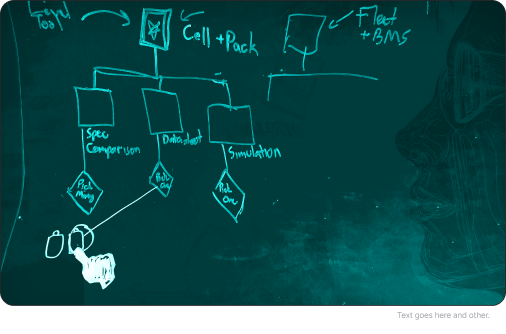
After creating a persona and the priorities for the user into a user story. It was time to begin ideating to towards the ideal path or a set of steps towards a successful outcome and final action.
Define
After creating a persona and the priorities for the user into a user story. It was time to begin ideating to towards the ideal path or a set of steps towards a successful outcome and final action.
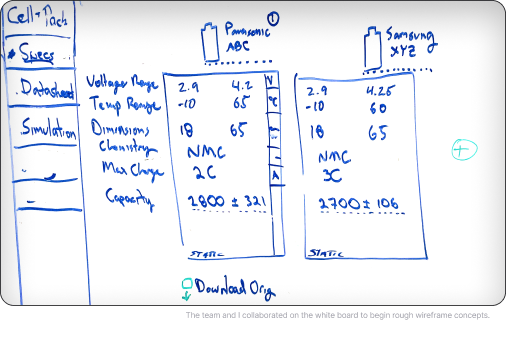
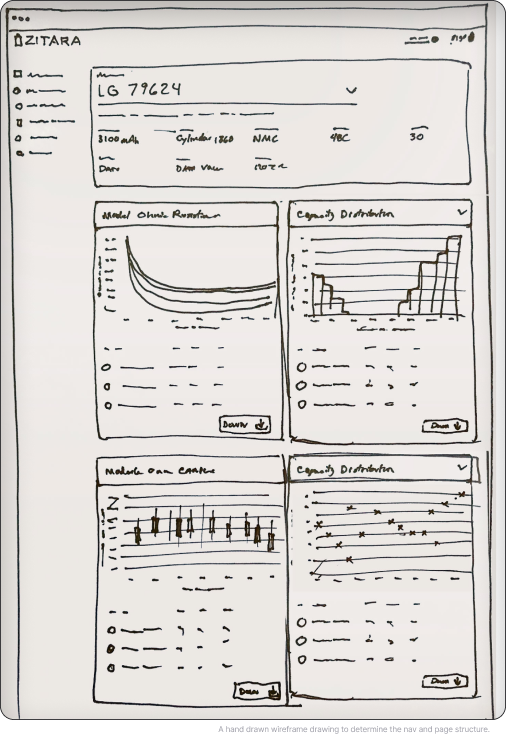
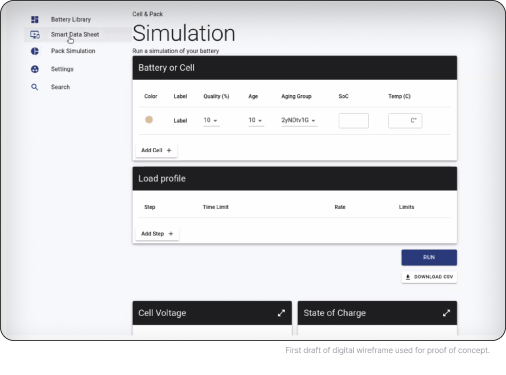
Design
I developed basic standards define the company’s branding references grammar, tone, logo usage, colors, visuals, word usage, point of view, and more to be used on digital products.
Having a clear brand style guide ensures that the app, and later on the website, material is consistent, polished, identifiable, relevant and engaging.
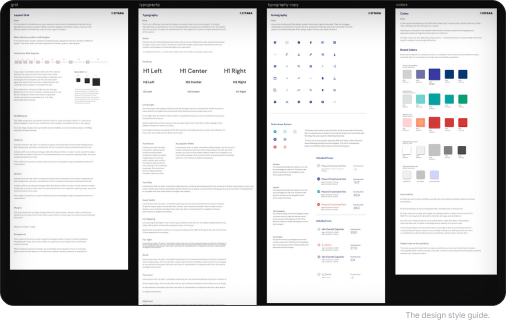
Design
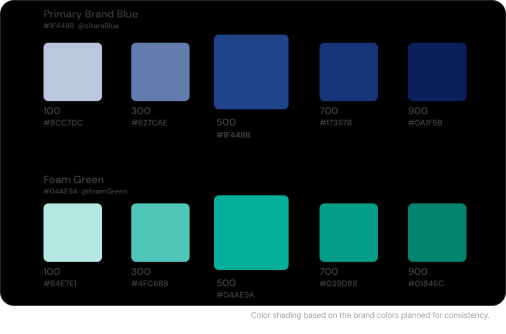
Color system developed by the Zitara team helps users to view actions, identify statuses, locate help, and figure out the next steps on a screen.
Adhering to a consistent color palette below to create a uniform and engaging user experience where all cognitive load is kept at its minimum.
Brand colors depend on a product, service, or company. They can be used as interactive colors, especially when it is necessary to comply with accessibility regulations. All colors are also defined as design tokens — named elements or discrete entities that store specific variables (visual design attributes):
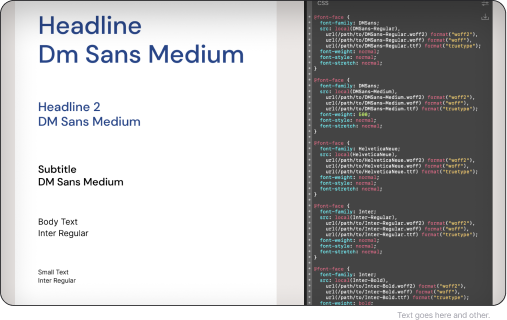
The brand typography was chosen to be used with all brand assets. The font is DM Sans for headings and Inter for small copy.
Summary
At Zitara, I worked to translate complex battery simulations and field data into insights engineers and scientists could trust and act on. The platform was designed to support flexible deployments while helping teams better understand performance, risk, and real-world battery behavior across use cases.